
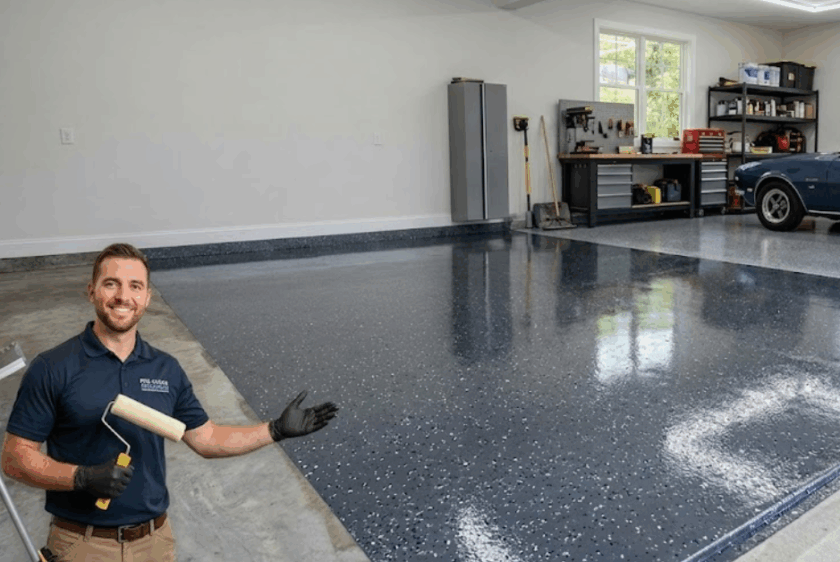
What Professional Epoxy Floor Installers Want You to Know Before Starting Your Project
The epoxy flooring market is exploding right now. A recent report shows the global resinous flooring sector will jump from $5.39 billion in 2024 to $10.02 billion by 2033. Epoxy flooring leads that growth. Why? More buildings need floors that take a beating. Warehouses. Factories. Retail stores. Garages. They all want surfaces that last and clean up fast.
Construction is booming in industrial and commercial spaces. That means more demand for installers who know what they’re doing. People who understand surface prep, get the mixing ratios right, and lay down a seamless finish. Property owners keep choosing epoxy because it lasts, resists chemicals, and needs almost no maintenance. Those benefits matter when you’re running a business or managing a property. This guide from Superior Floor Coatings, LLC walks you through what professional epoxy floor installers wish you knew before you started your project.
The Critical Importance of Concrete Preparation
Proper concrete prep decides whether your epoxy floor coating lasts five years or twenty. When the surface is clean, dry, and profiled right, the coating bonds tight. No peeling. No bubbling. No expensive do-overs.
Installers check moisture levels first. They repair cracks. They grind away old residue, oil, and anything else that blocks adhesion. This step isn’t optional. Skip it, and your floor fails early.
Good prep also means your epoxy floor coating handles the daily beating. Foot traffic. Forklifts. Chemical spills. The floor protects your investment and cuts future repair costs. Skilled installers spend serious time here because this step makes or breaks the entire project.
Setting Realistic Expectations for Timeline and Curing
Epoxy floor contractors can help you set realistic deadlines because each step affects how well your floor works. The floor might look done, but it’s not ready for heavy use yet. Understanding the gap between “looks finished” and “actually finished” helps you schedule work, deliveries, and reopening without messing up the coating.
Timeline and Curing Breakdown:
- Installation takes one to three days since surface prep, repairs, and coating layers need proper sequencing
- Light foot traffic is safe after about 24 hours once the coating gets initial hardness
- Heavy use needs 72 hours or longer while the floor continues hardening and stabilizing
- Full chemical resistance develops after seven days, protecting against spills, cleaners, and industrial exposure
Understanding the Investment: Where Costs Are Applied
Industrial floor coatings cost what they cost for real reasons. When you understand where your money goes, you make smarter decisions. You see why one installer charges more than another. Each step adds value that affects how long your floor lasts and how good it looks.
Cost Breakdown:
- Surface preparation, which includes cleaning, grinding, and repairs
- Materials, including epoxy, primers, and topcoats, selected for your specific space
- Labor, based on skill level and how complex your project is
- Equipment, like grinders, vacuums, and mixing tools
- Add-ons, including color flakes, slip resistance, or moisture-mitigation systems
Your Essential Role in Pre-Installation Readiness
Floor coating professionals need you to set up the site correctly. Installation goes faster and is safer when the workspace is clean and easy to get to. By taking care of a few important things ahead of time, you cut down on delays and let the crew focus on getting the floor just right.
Readiness Checklist:
- Clear out everything: furniture, tools, boxes, whatever’s sitting there.
- Make sure there’s power for the grinders and application gear.
- Open doors or windows for airflow if you can swing it.
- Fix any moisture problems or leaks before the crew shows up.
- Lock down the space during and after the job so nobody walks on wet coating.
Ready to Begin? Your Next Steps with a Professional Installer
Walk through your space with Superior Floor Coatings, LLC. They’ll plan out the prep work, materials, and schedule so that nothing surprises you. Pick installation dates that work with your schedule. Talk through finishes, colors, and performance needs upfront. No surprises later.
Ready to start? Reach out to the best Epoxy Floor Installers. They’ll guide you through the process without the runaround.
Frequently Asked Questions (FAQs)
What do epoxy floor installers check before starting a project?
They check your floor’s condition, moisture levels, cracks, and any old coatings stuck to the surface. They need to know what they’re working with so the epoxy actually sticks. You want a clean, stable base, not a mess waiting to fail.
How long does an epoxy floor installation take?
Most jobs take one to three days. Epoxy floor installers give you the real timeline after they see your space and figure out what you need.
Why is surface preparation important?
Prep makes the coating bond right. It stops peeling and keeps your floor from falling apart. Installers spend time here because it protects the money you’re spending.
Are epoxy floors good for heavy traffic?
Yes, when the system fits your space. Epoxy floor installers pick products that handle weight, impact, and whatever you throw at them daily.
How soon can you use the floor after installation?
Light walking after about 24 hours. Full strength takes longer. Installers explain the curing stages so you don’t wreck the floor by using it too early.


