
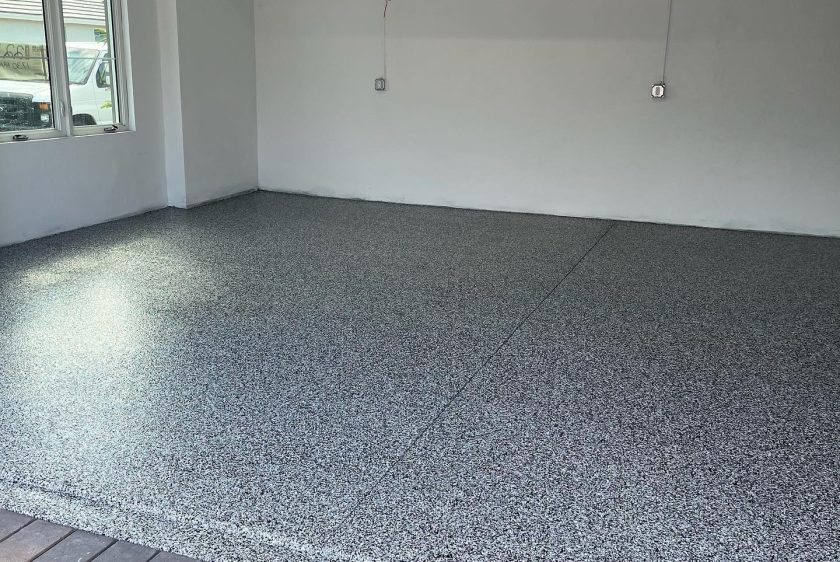
Refresh Your Epoxy Floor: Quick Repainting Tricks for High-Traffic Spaces
Epoxy flooring is designed to be durable, with its high-gloss finish resistant to heavy wear and tear. As time takes its course, even the most resilient floors dull down.
All this continuous foot and machinery traffic, along with heavy cleaning chemicals, dulls down the finish or causes minor surface damage. The good news is that you don’t have to replace your entire floor. A quick repaint can bring it back to life.
Ever thought of repainting an epoxy floor? This guide takes you through why it is worth the money, how professionals handle it, and even the tricks that ensure a flawless finish in high-traffic commercial spots.
Why Repainting Epoxy Flooring Makes Sense?
Epoxy floors are durable, yet there is no completely indestructible floor. After years of regular usage, the first scuffs, discoloration, or areas where the coating has worn thin may start to appear. Repainting is an easy and inexpensive way to refresh the look and performance of your floor.
Here’s why it’s worth your time repainting epoxy floors:
- Restores the glossy finish: A fresh coat revives that smooth, reflective appearance that epoxy is known for.
- Provides additional protection: New epoxy adds another layer of resistance to scratches, stains, and chemicals.
- Avoids surface damage: It helps to prevent larger cracks or peeling of surfaces by covering small imperfections early.
Well-cared flooring in busy environments, like warehouses, factories, and showrooms, demonstrates professionalism and provides a safer working environment for staff and visitors alike.
How Floor Coating Professionals Handle Repainting?
Repainting an epoxy floor is not simply a matter of laying down some more paint; rather, it is in proper preparation, proper product selection, and proper application.
At Superior Floor Coating, our expert epoxy floor contractors follow a proven process that delivers long-lasting, high-quality results – even in high-traffic areas.
Step 1: Thorough Cleaning and Surface Prep
Cleaning is always the first step; dust, oils, and old residues can make the new epoxy not adhere well. Our floor coating professionals thoroughly clean using industrial cleaners and mechanical scrubbers to remove all dirt and contaminants.
In cases of wear or flaking of the surface, light sanding or diamond-grinding of the surface is done to offer a smooth, receptive base for the new coat. Proper preparation will ensure that the fresh epoxy adheres perfectly without bubbling or peeling.
Step 2: Surface Inspection and Repairs
The floors are first scrutinized for cracks, chips, or uneven patches before the new coat is laid on. This could be achieved by preparation with an epoxy-based filler or patching compound. This step is of the utmost importance in high-traffic areas, where any imperfection could only worsen over time.
Step 3: Applying the New Epoxy Coating
After the preparation, the surface is now ready for a new coat of high-performance epoxy applied by our experienced epoxy floor installers. In some projects, we might use a colored base coat followed by a clear protective topcoat.
From anti-slip coatings for safety to high-gloss coatings that increase luminosity in commercial settings, the choice of product will depend on what one wants to achieve. That is the meeting point between functionality and style.
Step 4: Curing and Finishing
It takes time to cure after the application is completely. That ensures proper hardening of the coating, thus offering maximum durability. We strategically schedule projects so that your high-traffic facility experiences the least amount of downtime and gets your operations up and running fast.
Once cured, your floor is ready to withstand daily wear and tear with a refreshed, professional look that lasts.
Quick Repainting Tricks for High-Traffic Spaces
Heavy use can quickly wear down commercial or industrial flooring, but there are several smart ways to prolong both the performance and good looks:
Choosing the Right Epoxy Type
Not all epoxies are the same, as high-solid or 100% solid epoxy coatings are suited for high-traffic areas because they are thicker, tougher, resilient against impacts, and chemical-resistant.
Add a Non-Slip Finish
In busy environments, safety is a big concern. Incorporating a textured additive or a non-slip topcoat will help to ensure that slips and falls are minimal, especially around wet or greasy conditions.
Plan for Minimal Downtime
Coordinate with professional contractors who can schedule work during off-hours or weekends. More experienced epoxy floor contractors, such as Superior Floor Coating, LLC for example, are able to complete most repainting projects rather quickly and without too much disruption of your operations.
Perform regular cleanings
Use pH-neutral cleaners and soft mops to remove debris without damaging the surface. Avoid harsh chemicals that can dull the finish.
Schedule Preventive Touch-Ups
For high-traffic areas, such as loading docks or retail aisles, an occasional touch-up promotes a consistent look and prevents premature wear.
Benefits of Professional Repainting
Refreshing your epoxy floor makes it look new and also improves performance. With professional repainting, you will enjoy:
- Improved durability: The new coating reinforces your floor against abrasion, impact, and chemicals.
- Better hygiene-Epoxy is non-porous, preventing bacteria, dirt and moisture from accumulating.
- Easier maintenance: Smooth, sealed surfaces are easy to clean and maintain.
Renewed epoxy flooring in a commercial property also adds to a professional atmosphere and a safer workplace-two important qualities any client-facing or high-traffic setting needs.
Frequently Asked Questions
1. How often should an epoxy floor be repainted?
Most epoxy floors need repainting every 5–7 years, depending on usage and traffic levels. High-traffic commercial spaces may require more frequent maintenance.
2. Can I paint over existing epoxy myself?
You can, but it’s not recommended. Without professional preparation, the new coat may not bond properly, leading to bubbling or peeling. Hiring epoxy floor contractors ensures long-lasting, professional results.
3. How long does it take to repaint an epoxy floor?
A typical repainting project can take 2–4 days, depending on the size of the area and curing time. Our team at Superior Floor Coating, LLC works efficiently to minimize downtime for your business.
4. Can I change the color when repainting my epoxy floor?
Yes! Repainting is a great opportunity to update your floor color. You can choose from a wide range of finishes, including solid colors, metallics, and decorative flakes to match your brand or interior design.
Ready to Refresh Your Epoxy Floor?
From surface preparation to the final cure of the floor, we do everything possible to make it look better and perform better. Bring your epoxy floor back to life today with Superior Floor Coating by scheduling a consultation with our expert repainting epoxy floor contractors, and give your high-traffic space that much-needed refresh to last.


